কিয়েভে রুশ ড্রোন হামলায় জ্বলছে ইউক্রেনের গোয়েন্দা সদর দপ্তর
ইউক্রেনের রাজধানী কিয়েভে দেশটির নিরাপত্তা সংস্থা এসবিইউর সদর দপ্তরে রুশ ড্রোন হামলা হয়েছে। শুক্রবার দিনের আলোতে গুরুত্বপূর্ণ এই সরকারি ভবনে সরাসরি ড্রোন আঘাত হানার ঘটনায়…






Melbourne, OTN Bangla News Desk | 4 May 2025
Summary:
In a historic and sweeping victory, Prime Minister Anthony Albanese has been re-elected, becoming the first Australian leader since 2004 to win a second consecutive term. The Australian Labor Party has secured a clear majority, claiming at least 84 seats in the House of Representatives after more than 18 million Australians cast their votes on Saturday.
As of Sunday morning, the Coalition has won only 31 seats, suffering one of its most devastating defeats in decades. Among the biggest shocks was Opposition Leader Peter Dutton’s loss in his own seat of Dickson — ending a 24-year political career.
“The opposition has been shambolic,” said ANU Emeritus Professor John Warhurst.
“I love this country and have fought hard for it,” Dutton told supporters in Brisbane as he conceded defeat.
“We have been defined by our opponents in this election which is not a true story of who we are, but we will rebuild from here and we will do that because we know our values, we know our beliefs, and we will always stick to them.”
Dutton’s campaign was marred by a series of missteps — policy backflips that confused voters, blunders on cost-of-living issues, and a now-viral moment when he accidentally kicked an AFL football into a cameraman’s head.
“The opposition has been shambolic,” said ANU Emeritus Professor John Warhurst.
While Labor ran a disciplined and resolute campaign, analysts described it as cautious and lacking bold new initiatives. The strategy seemed to rely on allowing voters to form their own judgements about Dutton and the Coalition, rather than aggressively promoting transformative policies.
And it worked.
This defeat forces the Coalition to once again reckon with its political direction. After their 2022 loss, several party insiders had warned against shifting further to the right — raising questions about whether Dutton, often viewed as a hardline conservative, was the right figure to win back moderate electorates.
In the final stretch of the campaign, Dutton leaned heavily into “culture war” territory, with rhetoric and positioning that many observers compared to former US President Donald Trump.
“We have to stop drinking the Kool-Aid from the fire hose and we need to have a serious review,” former Liberal strategist Tony Barry told ABC News. “We delude ourselves that we are just a few tactical devices away from winning an election.”
Albanese’s re-election defied expectations. Just months ago, he was trailing in the polls, hit by frustrations over cost-of-living pressures, the failed Indigenous Voice referendum, and criticism over purchasing a luxury beach home during a housing crisis.
But Australian voters, like those in Canada and elsewhere, appeared to favour stability in uncertain times. Albanese’s “middle-of-the-road” campaign platform has now been rewarded — but it raises a new question: what will Labor do with this mandate?
“Labor can afford to be braver now,” said Amy Remeikis, chief political analyst at the Australia Institute. “They’ve been rewarded for their approach, but the question is: will they actually use their power for real change?”
In his victory speech, Albanese reiterated promises to make GP appointments more affordable, tackle housing affordability, and do more on climate change. He also reaffirmed his commitment to reconciliation with Indigenous Australians:
“We will be a stronger nation when we Close the Gap between Indigenous and non-Indigenous Australians,” he said.




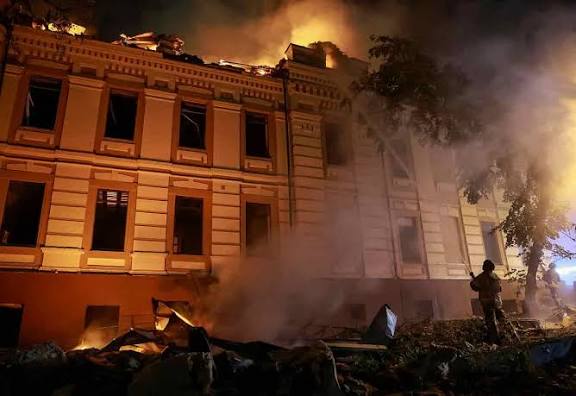
ইউক্রেনের রাজধানী কিয়েভে দেশটির নিরাপত্তা সংস্থা এসবিইউর সদর দপ্তরে রুশ ড্রোন হামলা হয়েছে। শুক্রবার দিনের আলোতে গুরুত্বপূর্ণ এই সরকারি ভবনে সরাসরি ড্রোন আঘাত হানার ঘটনায়…

ভারতের সঙ্গে বাংলাদেশের বাণিজ্য ঘাটতি ২০২৫-২৬ অর্থবছরে আগের বছরের তুলনায় আরও বেড়েছে। বর্তমানে দুই দেশের মোট দ্বিপক্ষীয় বাণিজ্যের পরিমাণ প্রায় পৌনে ১৩ বিলিয়ন মার্কিন ডলার।…
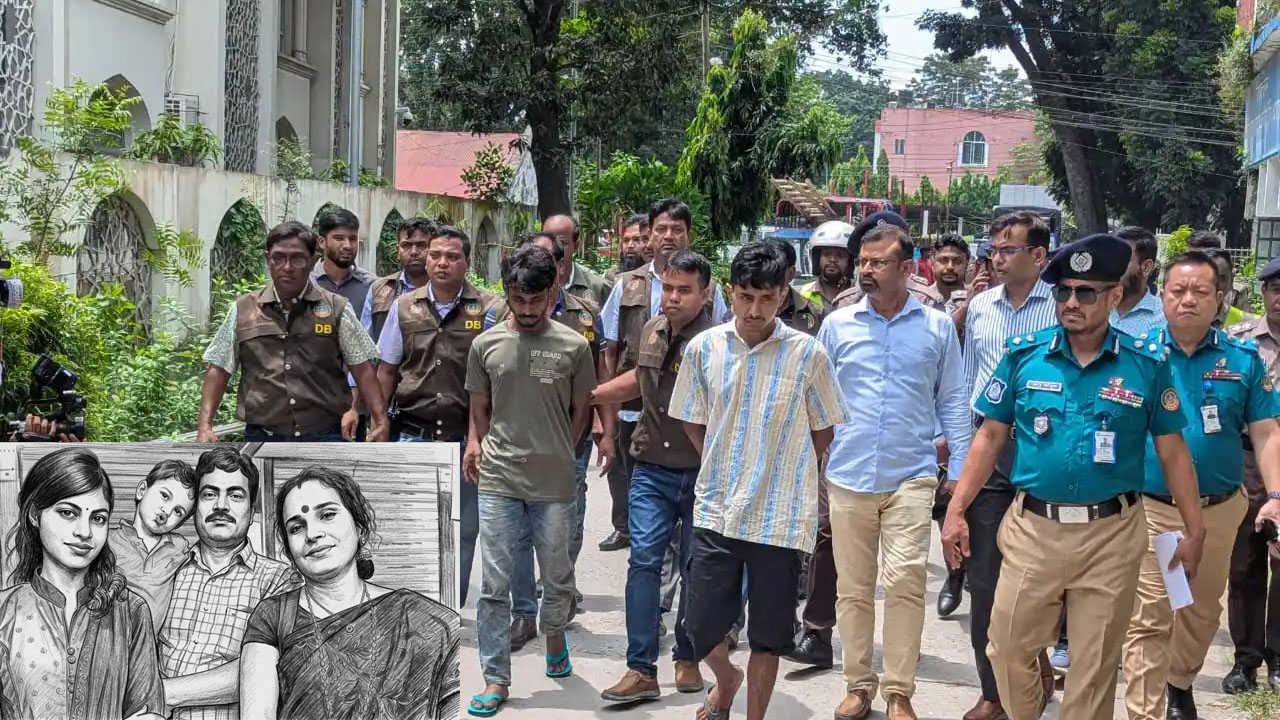
মেলবোর্ন, ২৫ আগষ্ট- রংপুর নগরীর মাছুয়াপাড়ায় অবসরপ্রাপ্ত স্কুলশিক্ষক গণপতি চক্রবর্তী জুয়েল ও তার পরিবারের চার সদস্য হত্যাকাণ্ডের তদন্তভার কোতোয়ালি থানা পুলিশের কাছ থেকে গোয়েন্দা বিভাগে (ডিবি)…

মেলবোর্ন, ১১ আগষ্ট- ইসরায়েলের প্রধানমন্ত্রী বেঞ্জামিন নেতানিয়াহু গাজা যুদ্ধ অবসানে যুক্তরাষ্ট্রের নেতৃত্বে প্রস্তাবিত ১৫ দফা শান্তি পরিকল্পনা প্রত্যাখ্যান করায় অঞ্চলটির ভঙ্গুর শান্তিপ্রক্রিয়া নিয়ে নতুন করে…
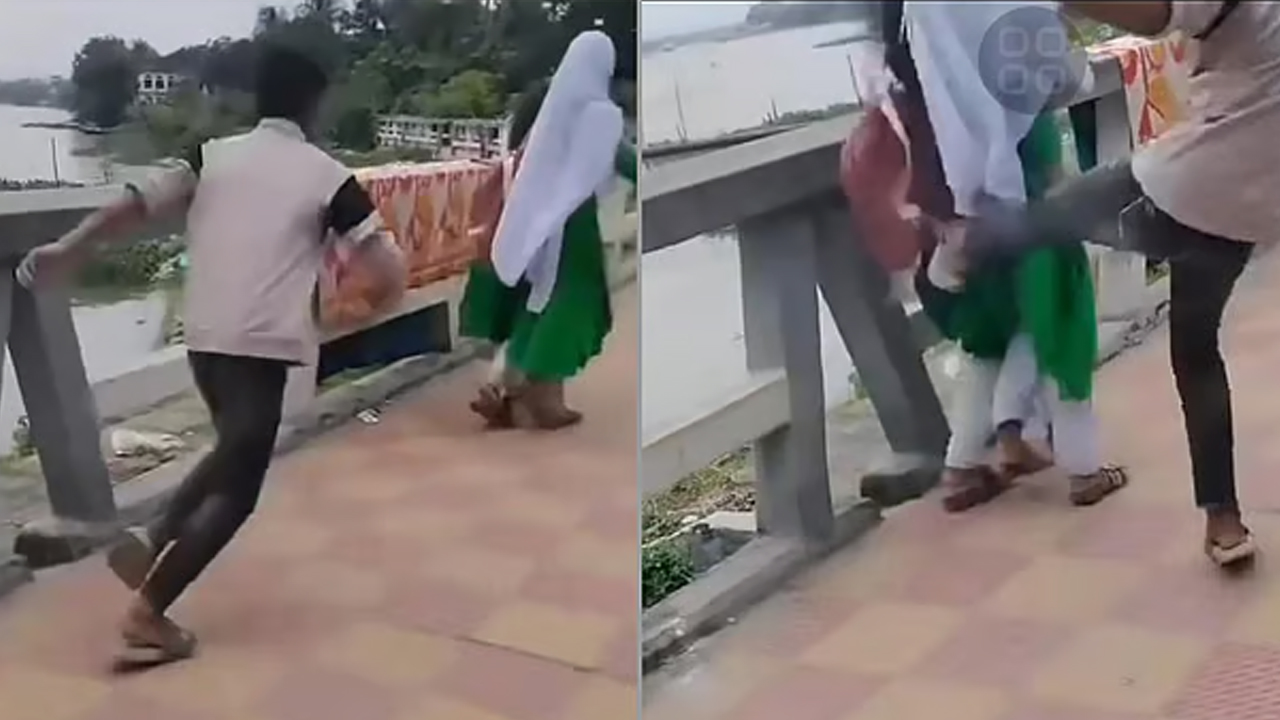
মেলবোর্ন, ৮ আগষ্ট- নারায়ণগঞ্জের সোনারগাঁয়ে এক স্কুলছাত্রীকে লাথি মারার একটি ভিডিও সামাজিক যোগাযোগমাধ্যমে ভাইরাল হওয়ার পর চাঞ্চল্যের সৃষ্টি হয়েছে। তবে ঘটনার জন্য অভিযুক্তের পরিবর্তে স্কুল…

মেলবোর্ন, ৩ আগস্ট: ভারতের পশ্চিমবঙ্গের জনপ্রিয় অভিনেত্রী মধুমিতা সরকার প্রথমবারের মতো বাংলাদেশের সিনেমায় অভিনয় করতে যাচ্ছেন। ‘বোঝে না সে বোঝে না’ ধারাবাহিকের ‘পাখি’ চরিত্র দিয়ে দুই বাংলার দর্শকের…




স্বত্ব © ওটিএন বাংলা - 2026 | গোপনীয়তা নীতিমালা | ব্যবহারের নীতিমালা | সম্পাদকীয় নীতিমালা | Proudly Developed by @SSB it.au